
An e-bike can be useful for commuting, shopping and leisure rides in Perth. The right choice depends on your route, riding position, carrying needs and storage space.
This guide explains what to check before buying and how to plan everyday rides. Choose a version that meets the current rules where you will use it.
For a Perth commute, check both the outward and return journey. Wind, hills, luggage and assistance level can change battery use. Plan charging and secure parking before relying on the bike for work.
Choose a bike that meets Western Australia's current requirements, and check rider age and access rules. Our state-by-state guide links to the government information.
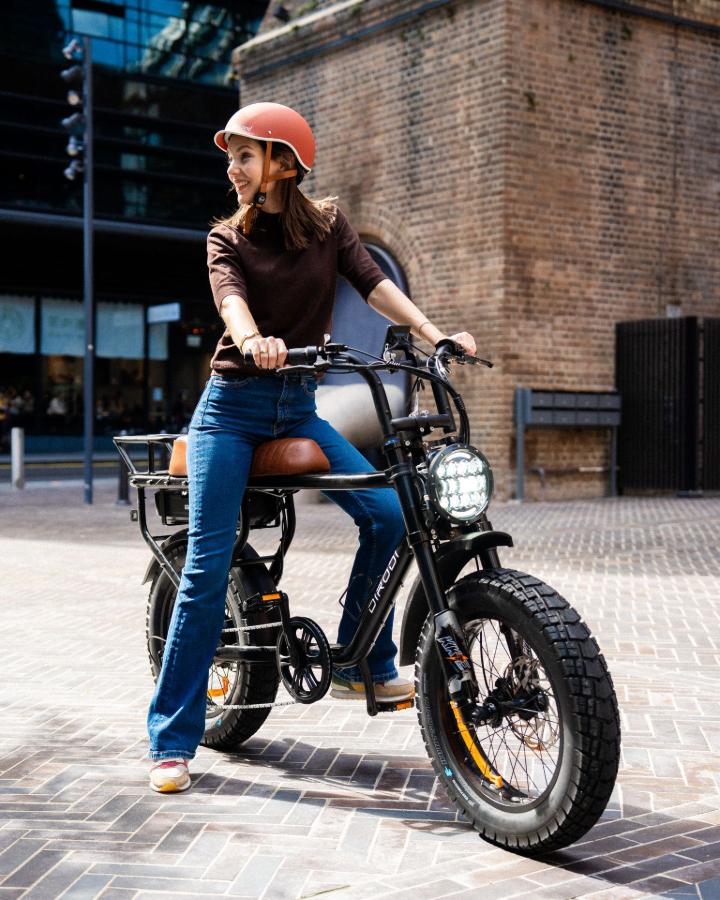
Try the bike at low speed as well as while cruising. Check that you can get on, stop, turn and move it into its storage space. A short test ride is useful for any rider returning to cycling.
Include a helmet, lock, assembly, bags and servicing in your budget. For a local shop, ask which electrical systems it services. For DiroDi support, contact our Melbourne team or an authorised retailer and confirm arrangements before buying.
Despite these hurdles, the momentum behind e-bikes in Perth continues to build. More people are embracing them as a practical, sustainable, and enjoyable way to travel. As the city invests further in cycling infrastructure and policy catches up, e-bikes are set to become an even bigger part of Perth’s transport future - not just a trend, but a quiet revolution on two wheels.
1. E-Bike Public Structures and Parking in Perth
1.1. The Growth of E-Bike Infrastructure in Perth
Perth has become one of Australia’s most exciting frontiers for e-mobility, and the rise of e-bikes is reshaping how the city thinks about transport. As commuters, students, and leisure riders increasingly turn to electric bikes, public infrastructure is evolving to keep up. The shift goes far beyond the old steel bike rack - new facilities now include secure smart parking stations, sheltered bays, and charging points designed specifically for electric two-wheelers.
This transformation is visible throughout the city, from the heart of the CBD to suburban transport hubs. The local government and private sector are both investing in ways to make riding an e-bike a more practical, safe, and sustainable choice. What’s emerging is a network of spaces that support e-bike use as a mainstream mode of transport, not a niche hobby.

1.2. Smart Parking and Charging Hubs
One of the clearest examples of Perth’s changing approach is the RAC Smart Bike Hub near RAC Arena. This facility offers secure, app-based parking powered by Bikeep technology, allowing riders to lock and charge their e-bikes or scooters safely while they attend events or work nearby. It’s a small but symbolic piece of infrastructure - free to use, easy to access, and designed for modern commuters who need more than a simple bike hoop.
Similar facilities are beginning to appear in other high-traffic areas. Shopping centres such as Belmont Forum have installed charging-capable docks for e-bikes, recognising that visitors now arrive on two wheels as often as four. These secure docking systems don’t just prevent theft; they also tackle “range anxiety,” giving riders confidence they’ll have power for the trip home.
Even local councils are starting to integrate e-mobility charging into their broader sustainability plans. The City of Perth’s electric-vehicle charger rollout includes public car parks and on-street bays that can support smaller devices where connector types allow. It’s a small but important signal that e-bikes are part of the wider clean-transport conversation, not an afterthought.
1.3. Integration with Public Transport
E-bike infrastructure doesn’t exist in isolation. Perth’s public transport network is beginning to link up with this new form of mobility, helping riders cover that crucial “last mile.” Transperth has fitted many train stations with secure bike shelters that can also accommodate registered e-rideables. For thousands of commuters, this makes it possible to ride from home to the station, store their bike safely, and continue into the city by train - avoiding both traffic congestion and parking costs.
This type of multimodal planning is essential to making e-bike use a realistic option across Perth’s sprawling suburbs. As more workplaces and residential developments adopt end-of-trip facilities with charging points and lockers, the barrier between cycling and conventional commuting continues to shrink.
1.4. Challenges and the Road Ahead
Despite the progress, Perth’s e-bike infrastructure is still uneven. Some suburbs enjoy secure, modern parking bays, while others rely on traditional racks with little protection from theft or weather. Charging options remain limited, and the variety of connector types and voltage requirements can make compatibility tricky.
Cycling and sustainability advocates have called for a more coordinated approach, with uniform standards for secure parking, clear safety regulations around charging, and consistent funding for new infrastructure. The City of Perth’s Bike Plan acknowledges these gaps and emphasises end-of-trip facilities as a top priority.
For individual riders, awareness and preparation go a long way - using registered hubs, carrying personal chargers, and planning trips around known secure facilities can make e-bike commuting smooth and reliable. For planners and businesses, the message is equally clear: combine safe storage, convenient charging, and public-transport integration, and e-bikes will naturally flourish.
Perth’s journey toward becoming a truly e-bike-friendly city is still underway, but the momentum is undeniable. With every new hub, shelter, and charger installed, the city is building the foundation for a cleaner, more connected, and more sustainable way to move.
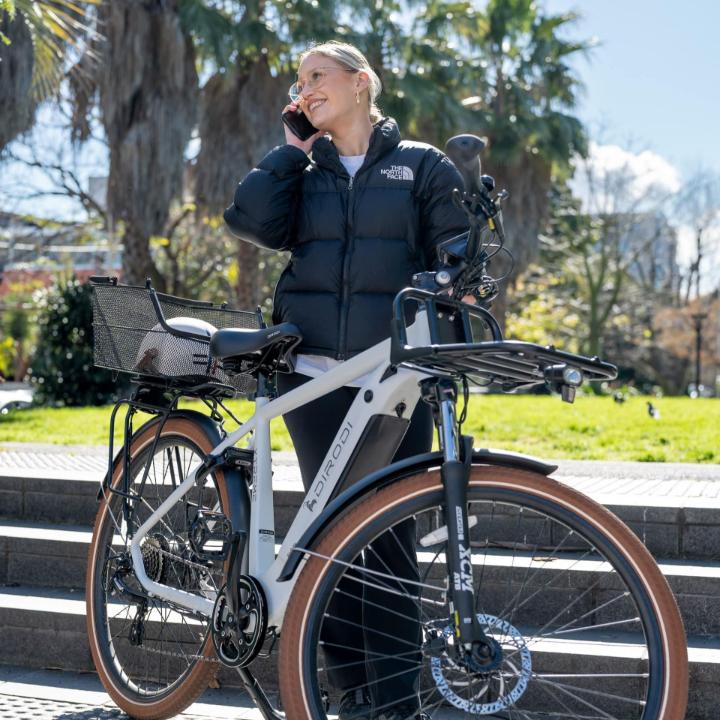
2. Scenic E-Bike Trails in Perth, Australia
Perth is one of Australia’s most picturesque cities for e-bike riding. With its mix of coastal views, riverside paths, and bushland tracks, the city offers a variety of trails for every type of rider. Whether you’re cruising by the ocean, gliding through leafy parklands, or exploring the rolling hills beyond the city, Perth’s cycling network makes it easy to experience Western Australia’s beauty on two wheels. Here are some of the most scenic e-bike trails worth exploring around the Perth region.
2.1. The Sunset Coast Trail
A coastal ride needs planning for wind as well as distance. A helpful breeze in one direction can become a headwind on the way home. Leave battery charge and time for that return leg.
Use Transport WA's walking and riding resources to find current maps and check the exact route before setting out.
2.2. Perth Discoverer City Loop
If you prefer to combine sightseeing with cycling, the Perth Discoverer Trail is ideal. This roughly 27-kilometre loop takes you through some of the city’s most iconic landmarks, including Kings Park, Elizabeth Quay, Matilda Bay, and the bridges spanning the Swan River. It’s a scenic ride that captures both the modern skyline and the natural beauty of Perth’s parks and foreshore. The paths are paved and smooth, making them e-bike friendly, and there are countless opportunities to stop for photos, refreshments, or a short detour through Kings Park’s famous botanical gardens.
2.3. The Swan River Foreshore Loops
Few rides in Perth are as relaxing as the ones that follow the curves of the Swan River. The foreshore trails stretch across both sides of the river, offering a mix of open water views, shady parklands, and city skylines. You’ll pass people kayaking, picnicking, or walking dogs, all while gliding along wide, well-maintained paths that are perfect for electric bikes. Because the terrain is almost entirely flat, these loops are great for beginners or anyone looking for a leisurely afternoon ride. They also connect easily to cafes and rest stops, making it easy to recharge both yourself and your bike.

2.4. Lake Joondalup Circuit
For a taste of nature without venturing far from the suburbs, the Lake Joondalup Circuit is an excellent choice. This 16-kilometre loop circles a large natural wetland surrounded by bushland and home to abundant wildlife. It’s common to spot black swans, pelicans, or even freshwater turtles basking near the shore. The path is mostly sealed with gentle gradients, ideal for e-bikes, and the peaceful atmosphere makes it a perfect break from the city’s bustle.
2.5. Cottesloe Beach Ride
Cottesloe Beach is one of Perth’s most iconic destinations, and it’s even more enjoyable when reached by e-bike. The route from the city or Fremantle toward Cottesloe follows the coastline, offering sweeping ocean views and a relaxed seaside vibe. The return trip is around 20 kilometres, depending on your starting point, and features plenty of places to stop for ice cream, coffee, or a dip in the ocean. Riding here during golden hour or at sunset adds another layer of beauty, as the sky and sea light up in brilliant shades of orange and pink.
2.6. The Swan Valley Heritage Trail
Just a short ride from Perth lies the Swan Valley, a region known for its vineyards, orchards, and artisanal food producers. The Swan Valley Heritage Trail offers a blend of rural charm and light exercise, with distances ranging from short loops to full-day rides. You’ll pass cellar doors, picnic spots, and old heritage buildings surrounded by greenery. With an e-bike, you can explore more of the region without worrying about fatigue, and the extra battery power comes in handy if you decide to carry a bottle of wine or local produce back with you.
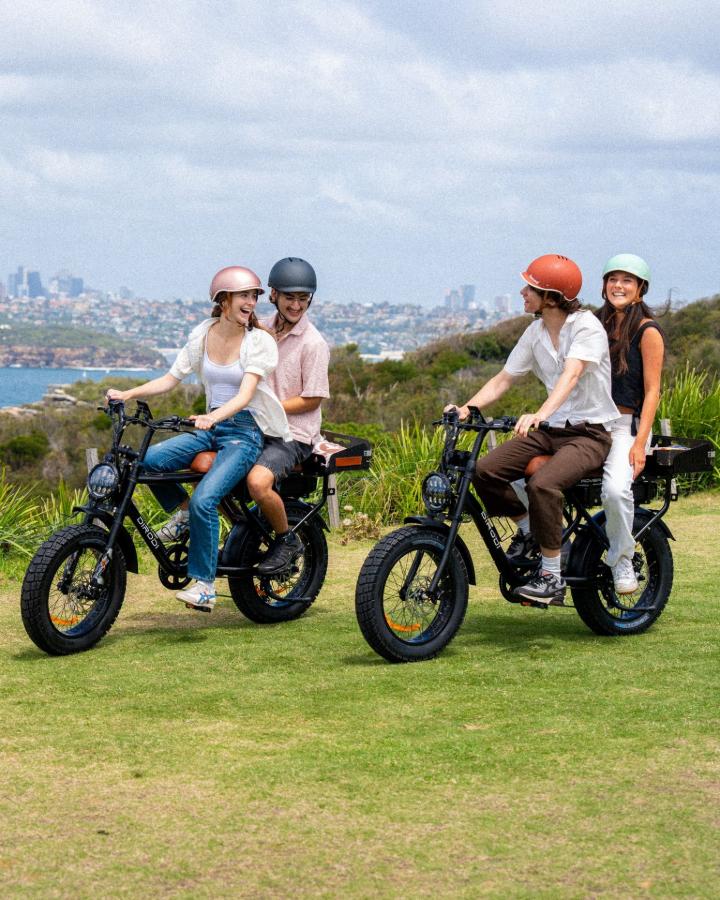
2.7. Exploring Perth’s Bushland Trails
Beyond the city and coast, Perth’s surrounding hills and forests provide incredible opportunities for e-bike adventures. Trails in Korung National Park and Kalamunda National Park offer beautiful views over the valley and plenty of native bushland to explore. These rides are more demanding due to the gradients, but the e-bike’s motor assist makes climbing much more manageable. For something even wilder, the Munda Biddi Trail, a world-class long-distance cycling route, runs for over a thousand kilometres through forests and countryside. You don’t have to tackle the whole thing - even a short section of it offers a memorable ride.
Perth’s scenic e-bike trails
highlight everything that makes the city special - ocean horizons, riverside
serenity, lush greenery, and an easygoing lifestyle. From the coastlines of
Cottesloe to the forests of Kalamunda, each ride offers a unique way to connect
with nature and the city’s relaxed rhythm. So charge up your battery, grab your
helmet, and set off to discover why Perth is one of Australia’s most enjoyable
cities to explore on an e-bike.
3. E-Bike Theft Protection and Secure Parking in Perth
As electric bikes become more popular across Perth, so too has the need for better protection against theft. With their higher value compared to regular bicycles, e-bikes have become attractive targets for opportunistic thieves. Riders are increasingly aware that keeping an e-bike safe requires more than just a basic lock - it’s about combining smart security practices, reliable infrastructure, and modern technology. Fortunately, Perth is responding to this demand with improved bike parking facilities, innovative anti-theft solutions, and growing community awareness about secure cycling culture.
3.1. The Rise of E-Bike Ownership and the Theft Challenge
E-bike ownership in Perth has surged in recent years. Commuters, students, and recreational riders have embraced the convenience of electric assistance, which makes longer distances and hill climbs easier to manage. However, with the average e-bike often costing between $2,000 and $6,000, these bikes have become a valuable commodity - not only for riders but also for thieves.
Reports from local councils and cycling forums suggest that bike thefts, particularly e-bike thefts, have become more common around transport hubs, beaches, and city parking areas. Thieves often target bikes left unsecured or locked with low-quality equipment. Because e-bikes contain removable batteries and high-end components, even partial thefts can lead to expensive losses.
This growing issue has pushed both individuals and city authorities in Perth to take stronger action - from better locks and GPS tracking to purpose-built secure parking zones.
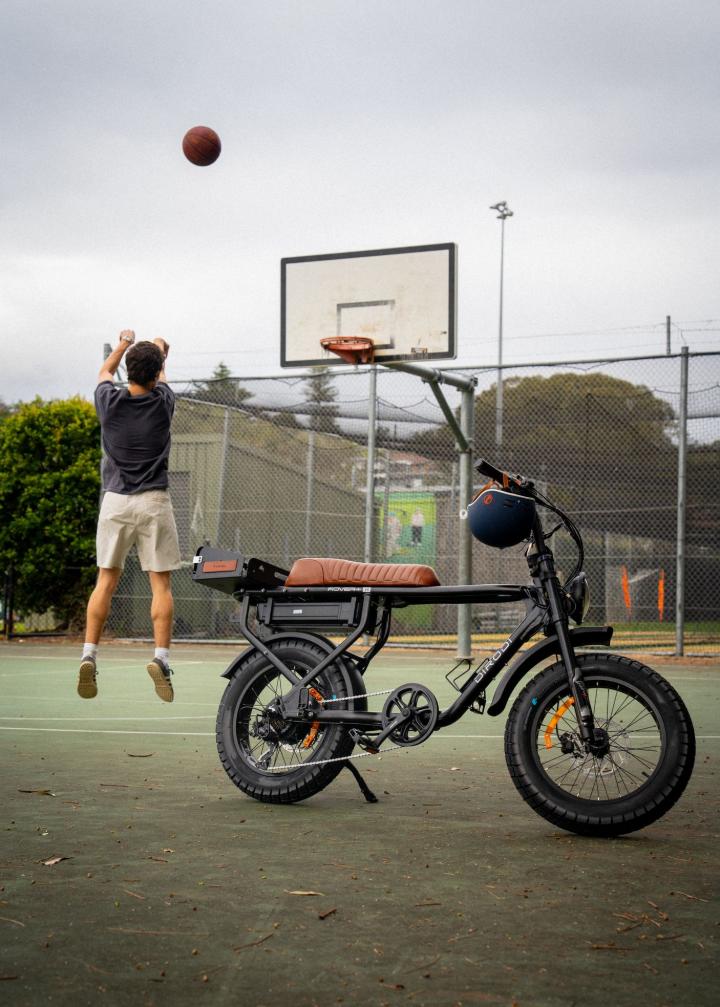
3.2. Secure Parking Solutions Around Perth
Perth’s cycling infrastructure is already among the best in Australia, and secure parking options continue to expand alongside the rise of e-mobility. The City of Perth and surrounding councils, such as Subiaco, Fremantle, and Vincent, have all invested in improved end-of-trip facilities for cyclists.
Across the CBD, there are several public bike parking stations equipped with CCTV surveillance, secure racks, and sometimes even charging points for e-bikes. Facilities like the RAC Arena Bike Shelter, the Perth Underground Station parking area, and the Elizabeth Quay bike racks are popular among commuters who need a reliable place to leave their e-bikes while at work.
Many office buildings and shopping centres - such as Brookfield Place, Raine Square, and Forrest Chase - now include dedicated bike rooms with swipe-card access and monitored storage. These facilities not only offer security but also often include charging ports, lockers, and showers, encouraging more people to commute sustainably.
For longer-term or higher-value storage, Parkiteer cages (operated by Transperth and supported by the Department of Transport) provide secure, enclosed shelters at train stations. These are accessible via registration and are ideal for riders who want peace of mind before hopping on public transport.
3.3. Smart Technology and E-Bike Security
Modern e-bikes often come with built-in theft protection features, and Perth riders are increasingly using them to their advantage. Many popular models include GPS tracking systems that can locate the bike through a mobile app if it’s stolen. Some can even send motion alerts when the bike is tampered with or remotely disable the motor to make it useless to thieves.
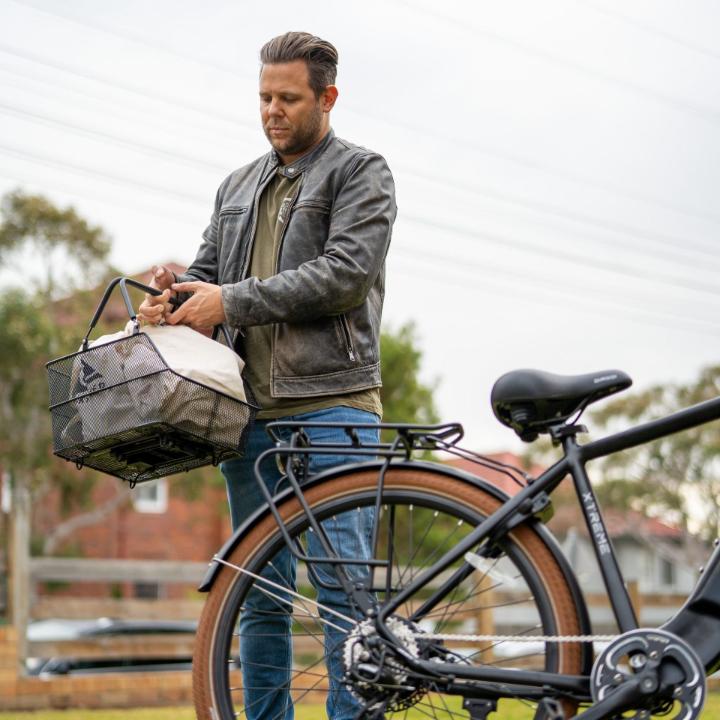
Brands like Bosch and Shimano have developed anti-theft systems that pair the e-bike’s electronics with the rider’s smartphone, meaning the motor only activates when connected to its rightful owner. Local e-bike retailers and service shops in Perth - such as Flash E-Bikes, DiroDi, and E-Bike World - frequently advise customers on how to set up these digital protections alongside physical locks.
For extra security, many riders also install discreet Apple AirTags or GPS trackers hidden in the frame or seatpost. These devices can be invaluable for police recovery if a theft does occur.
3.4. Best Practices for E-Bike Theft Prevention
While technology helps, basic habits still play the biggest role in keeping your e-bike safe. Riders in Perth can follow a few simple but effective guidelines:
- Use two quality locks - ideally one sturdy U-lock and one heavy-duty chain lock, securing both the frame and wheels.
- Lock to immovable structures such as fixed bike racks, not fences or poles that can be lifted.
- Remove the battery and display unit when leaving the bike unattended for long periods.
- Park in visible, well-lit areas with CCTV whenever possible.
- Register your bike’s serial number with WA Police or online bike databases to assist with recovery.
Many Perth cyclists also join local community watch groups or online cycling forums that share theft alerts and tips. This community vigilance has helped identify stolen bikes and discourage repeat offenders.
3.5. The Future of E-Bike Security in Perth
As e-bikes continue to reshape Perth’s urban mobility, secure infrastructure will remain a key part of supporting sustainable transport. The WA Department of Transport’s “Cycling for 2031” strategy highlights an ongoing commitment to expanding protected bike parking and end-of-trip facilities across metropolitan areas. Future plans include more covered shelters near train stations, digital access systems for registered users, and integrated charging hubs for e-bikes.
Perth’s proactive approach - combining technology, infrastructure, and education - shows that e-bike riders can enjoy freedom without fear. With a little planning and the right tools, keeping an e-bike safe in the city is not only possible but increasingly convenient.
As cycling becomes an even bigger part of daily life, Perth is proving that secure parking and smart theft protection are essential pillars of a modern, sustainable city - one that values both its riders and their rides.
Read also: Electric Bikes in Sydney: The Ultimate Guide
4. Electric Bike Laws and Rules in Perth, Australia
As e-bikes grow in popularity across Perth and Australia, it's crucial for riders to understand the laws that govern their use. Whether you're commuting through the city, riding for leisure, or exploring Western Australia’s scenic trails, staying compliant with local regulations ensures a safe and enjoyable experience.
4.1. Motor Power
E-bikes in Australia are generally classified into two main legal categories, based on how the motor assists the rider and the maximum continuous power output.
Pedal-assist bikes: the common EPAC category uses a continuous motor rating and assistance conditions, including a 25km/h assistance cut-off. Check the exact requirements where you ride, rather than treating wattage as the only condition.
A common misconception is that these bikes cannot have throttles. However, a throttle is allowed - as long as its function is limited to assisting only up to 6 km/h. This feature, known as a "start assist," helps the rider get rolling, especially when starting on an incline or from a full stop. After reaching 6 km/h, the rider must pedal to maintain assistance.
Other categories: some states recognise a separate 200W power-assisted bicycle category. It has its own definition and may use a different power measurement. Do not assume it has the same rules as a 250W EPAC.
For a ride in Western Australia, start with the current government guidance. Check the complete bike, rider requirements and permitted route. Rules from another state may not apply.
4.2. Speed Limit
Although legal limits cap assistance at 25 km/h, e-bikes are often capable of higher speeds. For example:
Assisted speed: the point where the motor stops helping is different from the speed the bike may reach under human power or downhill. Lower signed limits and safe riding obligations still apply.
Motor rating: wattage alone does not predict speed or hill performance. Compare the whole bike and its permitted use.
- A 750W motor could go up to 50 km/h, depending on terrain and rider input.
Do not assume a high-powered bike becomes a public-road bicycle when a lower software setting is selected. DiroDi's 1000W models are intended for off-road use on private property. Identify the exact version before buying.
4.3. Helmets
Across all Australian states, wearing a helmet while riding an e-bike is mandatory. The helmet must be approved and certified to Australian Standard AS/NZS 2063, with newer models (post-2011) marked for compliance. Failure to wear a helmet can result in fines - but more importantly, helmets help prevent serious head injuries in accidents.
4.4. Carrying Passengers
The legality of carrying passengers depends on who the passenger is and how they’re being transported:
- Children can legally ride on e-bikes using certified child seats or bike trailers.
- Carrying adult passengers is generally not allowed, unless your bike is specifically designed and approved for it - which most standard e-bikes are not.
4.5. Licensing, Registration, and Road Use
Rider requirements and vehicle registration are separate checks. Read the current rules for the rider and the complete bike, particularly when travelling interstate.
For a 200W category, check its specific construction, power and propulsion requirements before assuming your bike qualifies.
For an EPAC, check the continuous motor rating, required standard or label, assistance cut-off and throttle operation together.
4.6. E-Bike Rules Specific to Western Australia
In Western Australia, electric bikes (e-bikes) are becoming a popular mode of transport, particularly for urban commuting. The rules and regulations surrounding e-bike use are fairly straightforward and are mostly consistent with those in other Australian states. However, it’s important for all riders-especially new ones-to understand and follow these guidelines to ensure safety and compliance. To avoid fines or accidents, it's essential to be well-informed. For the full list of e-bike rules and detailed guidance, visit the official Western Australia Government transport website: https://www.transport.wa.gov.au/activetransport/cycling.asp
Electric Bikes in Perth: A Practical Guide